
Protecting Your Home: A Guide to Preventing Sewer Backups with Backwater Valves
Heavy rains and rapid winter thaws across the GTA can put immense pressure on local municipal sewer systems. When these city infrastructures become overwhelmed by a sudden influx of water, the excess wastewater has to go somewhere. Unfortunately, for many homeowners, that path of least resistance leads directly into the lowest point of their property: the basement. At iPLUMB Inc., we have seen firsthand the financial and emotional toll that a flooded basement can take on a family. Preventing municipal sewer surcharge damage is increasingly becoming a top priority for homeowners looking to protect their newly finished basements, valuable belongings, and overall property value.
The most effective defense against this messy, unhygienic, and costly issue is a properly installed backwater valve. With seasonal weather patterns bringing more intense, concentrated bursts of rain to our region, relying solely on city drains is no longer a safe bet. Taking proactive control of your home's plumbing defenses ensures that when the next major storm hits, your basement remains dry and secure. In this comprehensive guide, we will explore exactly how these vital protective devices work, what warning signs to watch out for, and how our professional team can seamlessly integrate them into your home.
Understanding Backwater Valve Installation for Flood Prevention
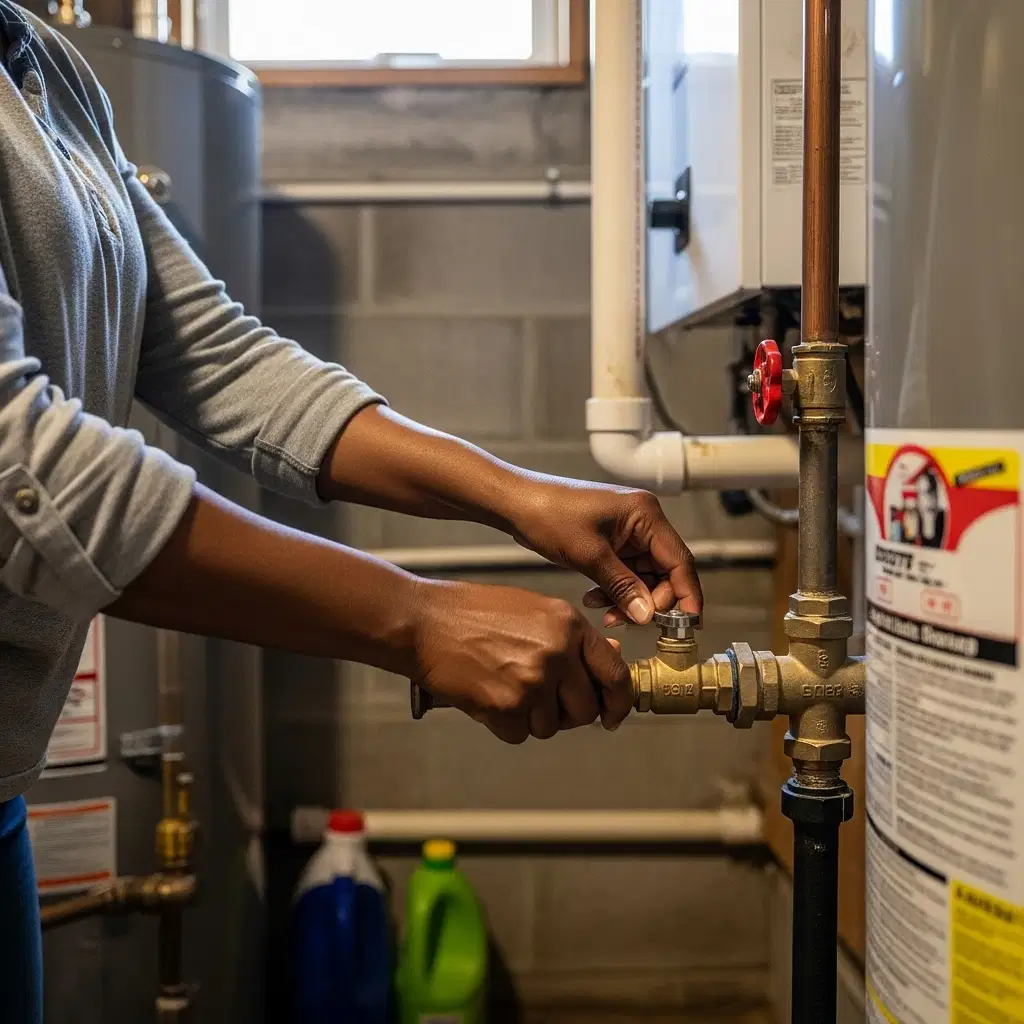
A backwater valve is an ingenious yet straightforward one-way mechanical device installed directly into your home's main sewer line. Under normal everyday conditions, the internal flap of the valve remains in an open, resting position. This allows the wastewater from your sinks, toilets, showers, and laundry to flow freely out of your home and into the city's sewer system. However, the true value of this device is revealed during a severe weather event or a municipal blockage.
If the city sewers become overloaded and contaminated water begins to flow backward toward your property, the reverse pressure causes the valve's internal flap to lift and lock securely into place. This completely seals off the pipe, blocking the sewage from entering your basement floor drains or lower-level bathroom fixtures. Incorporating professional backwater valve installation for flood prevention is one of the most cost-effective proactive steps you can take as a homeowner. It not only saves you from the devastating costs of water damage restoration but also ensures your overall residential plumbing continues to function safely and reliably, regardless of the chaos happening in the municipal lines outside.
Recognizing the Signs of a Failing Backwater Valve
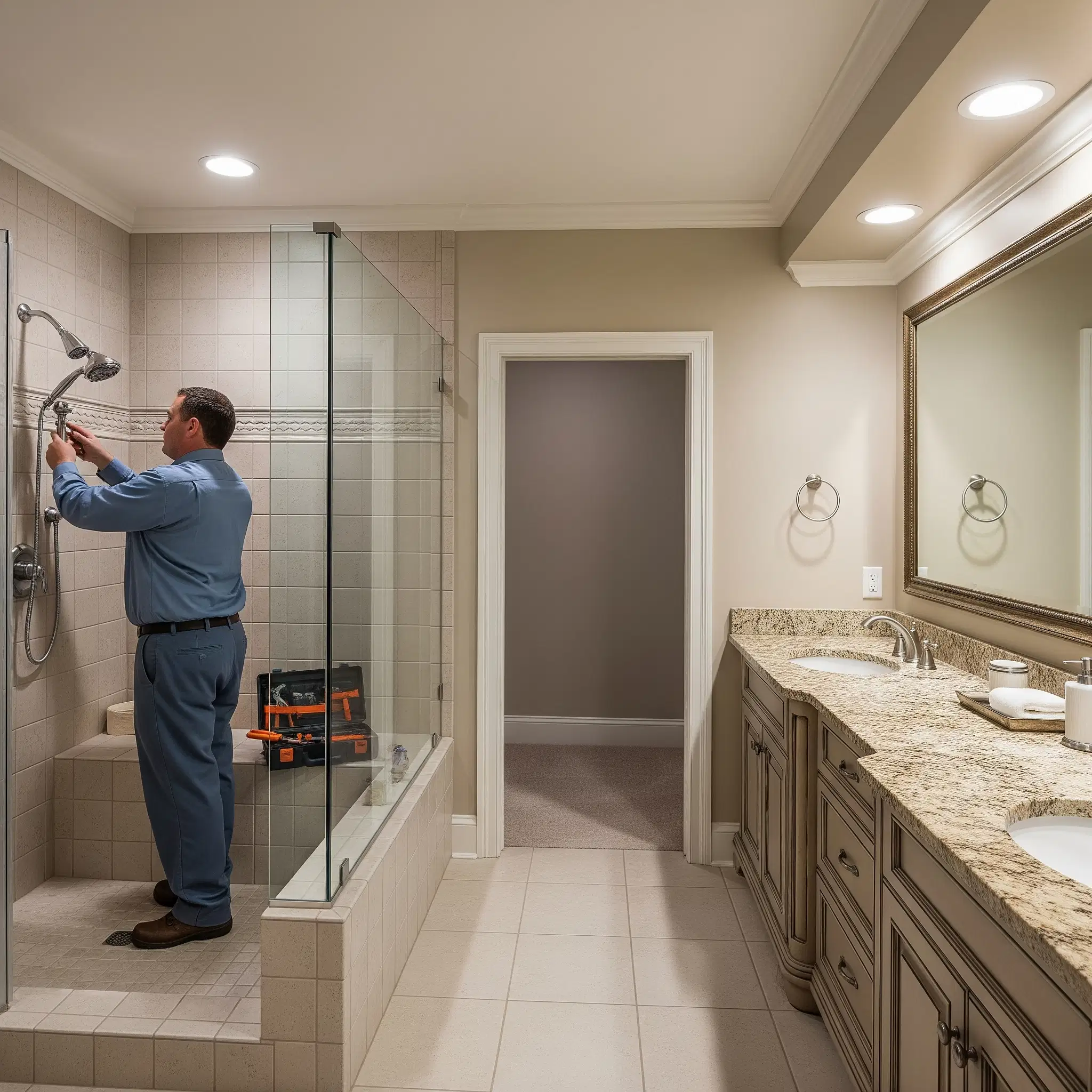
If your home was recently built or you have already proactively installed a backwater valve, it is important to remember that these mechanical devices require periodic maintenance to function correctly. Debris, grease, and mineral buildup can occasionally interfere with the flap's ability to seal tightly. Knowing the signs of a failing backwater valve can help you address minor maintenance issues before they turn into major emergencies during a heavy rainstorm.
One of the most common warning signs is experiencing slow-draining sinks or tubs, particularly in your basement or ground-floor levels. You might also notice unusual gurgling noises coming from your toilets when other fixtures are draining, or detect unpleasant, musty sewer odors emanating from your basement floor drains. If you notice any of these symptoms, it is crucial to act quickly. Having a licensed, Red Seal certified plumber visually inspect the valve and clear any obstructions ensures the flap can move freely. Regular professional maintenance guarantees that your home's primary line of defense is armed and ready when you need it most.
Retrofitting Mainline Backwater Valves in Basements
Many older homes in our communities were constructed before modern building codes required these preventative devices. Thankfully, retrofitting mainline backwater valves in basements is an entirely achievable process when handled by experienced professionals. We understand that the idea of excavating a portion of your basement floor can be stressful, which is why our technicians prioritize cleanliness, respect for your property, and transparent communication throughout the entire project.
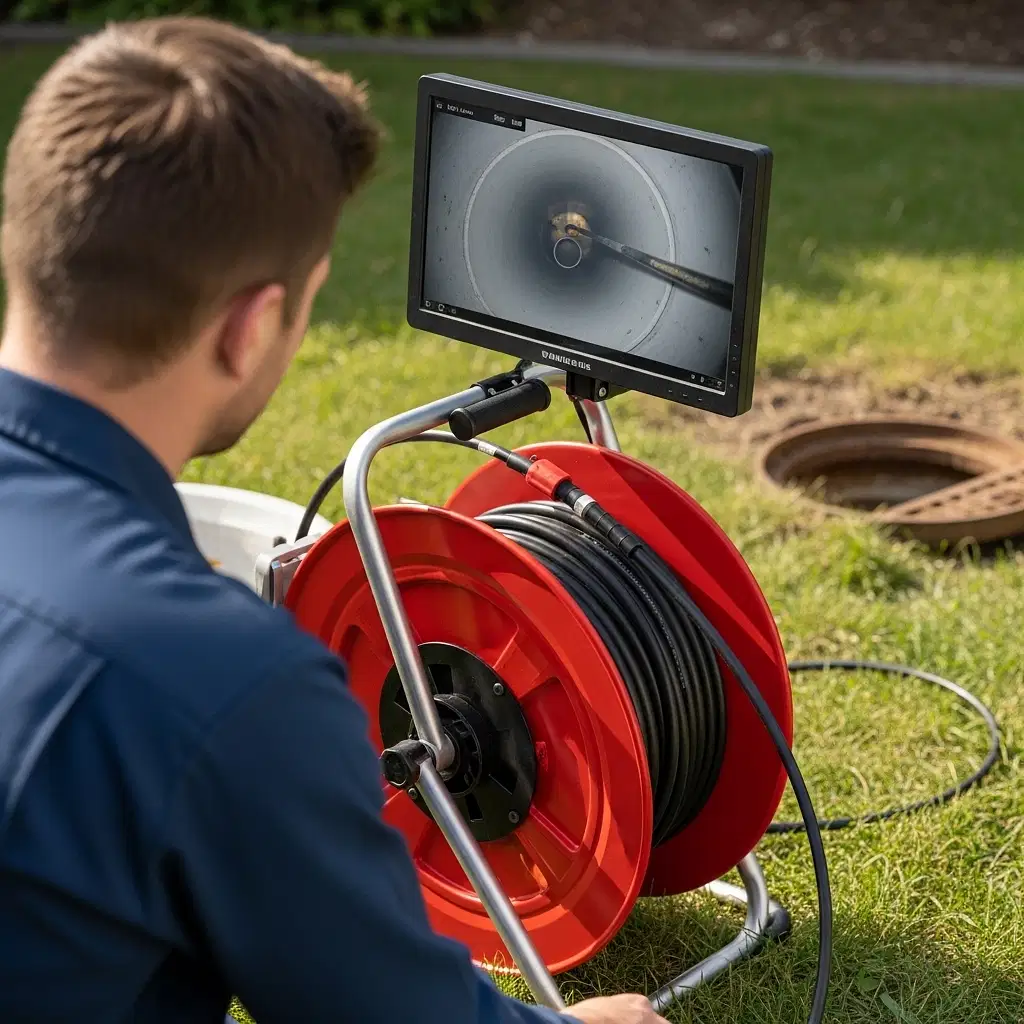
The retrofitting process begins with a thorough camera inspection of your existing sewer line to pinpoint the optimal location for the valve, usually just inside the foundation wall. Our team then carefully opens a small section of the concrete floor, installs the valve to the exact specifications required by the Ontario Building Code, and restores the concrete, leaving a clean access panel.
This excavation process also presents an excellent opportunity to assess the overall health of your aging underground pipes. If our diagnostic tools reveal severe root intrusion, cracks, or deterioration in the surrounding pipes, we can efficiently incorporate drain repair and replacement into the scope of work, saving you from future disruptions.
Integrating with Your Overall Stormwater Strategy
While a backwater valve is incredibly effective at stopping municipal sewage from entering your home, it works best when integrated into a broader, comprehensive property drainage strategy. Managing the water that falls directly onto your roof and property is just as important as managing what happens below ground.
Ensuring your stormwater systems are functioning optimally adds crucial layers of protection against basement flooding. This includes keeping your eavestroughs completely clear of autumn leaves and debris, extending your downspouts safely away from your foundation walls, and ensuring your sump pump is regularly serviced and equipped with a reliable battery backup. When your home is equipped to effectively route surface water away from the foundation while simultaneously blocking municipal sewer backups, you achieve true peace of mind.
Secure Your Home with iPLUMB Inc.
As extreme weather events and sudden seasonal thaws become more frequent, relying on outdated plumbing infrastructure is a gamble that homeowners simply cannot afford to take. A flooded basement brings immense stress, high insurance deductibles, and the loss of irreplaceable personal items. Taking proactive steps today with a certified plumbing expert ensures your home remains safe, dry, and protected for decades to come.
If you are concerned about your home's vulnerability to municipal sewer backups, or if you need to schedule an inspection and maintenance routine for your current system, iPLUMB Inc. is ready to assist. Based proudly in Vaughan, our dedicated team of Red Seal certified professionals provides upfront pricing, prompt scheduling, and guaranteed premium workmanship. We do not believe in high-pressure sales; we believe in providing honest assessments and permanent solutions. Contact iPLUMB Inc. today to safeguard your basement before the next major storm rolls in.