
Safe Concrete Coring for Commercial Plumbing: What You Need to Know
Whether you are retrofitting an older industrial warehouse or fitting out a brand new restaurant in the VMC (Vaughan Metropolitan Centre), modifying an existing commercial space often means getting through solid concrete. Modifying structural slabs is a routine part of upgrading commercial plumbing systems, but it is never a task to be taken lightly.
When new drain lines, water supply pipes, or mechanical systems need to pass through concrete floors or walls, precision is everything. A single mistake can compromise the structural integrity of a building, hit hidden electrical conduits, or cause costly project delays. That is why professional concrete coring and scanning are critical first steps in any major commercial plumbing project.
At iPLUMB Inc., our focus on commercial design-build projects and extensive retrofits has taught us that preparation is just as important as the installation itself. In this post, we will walk you through the essential steps, modern technologies, and safety protocols required to execute flawless concrete penetrations for commercial plumbing systems.
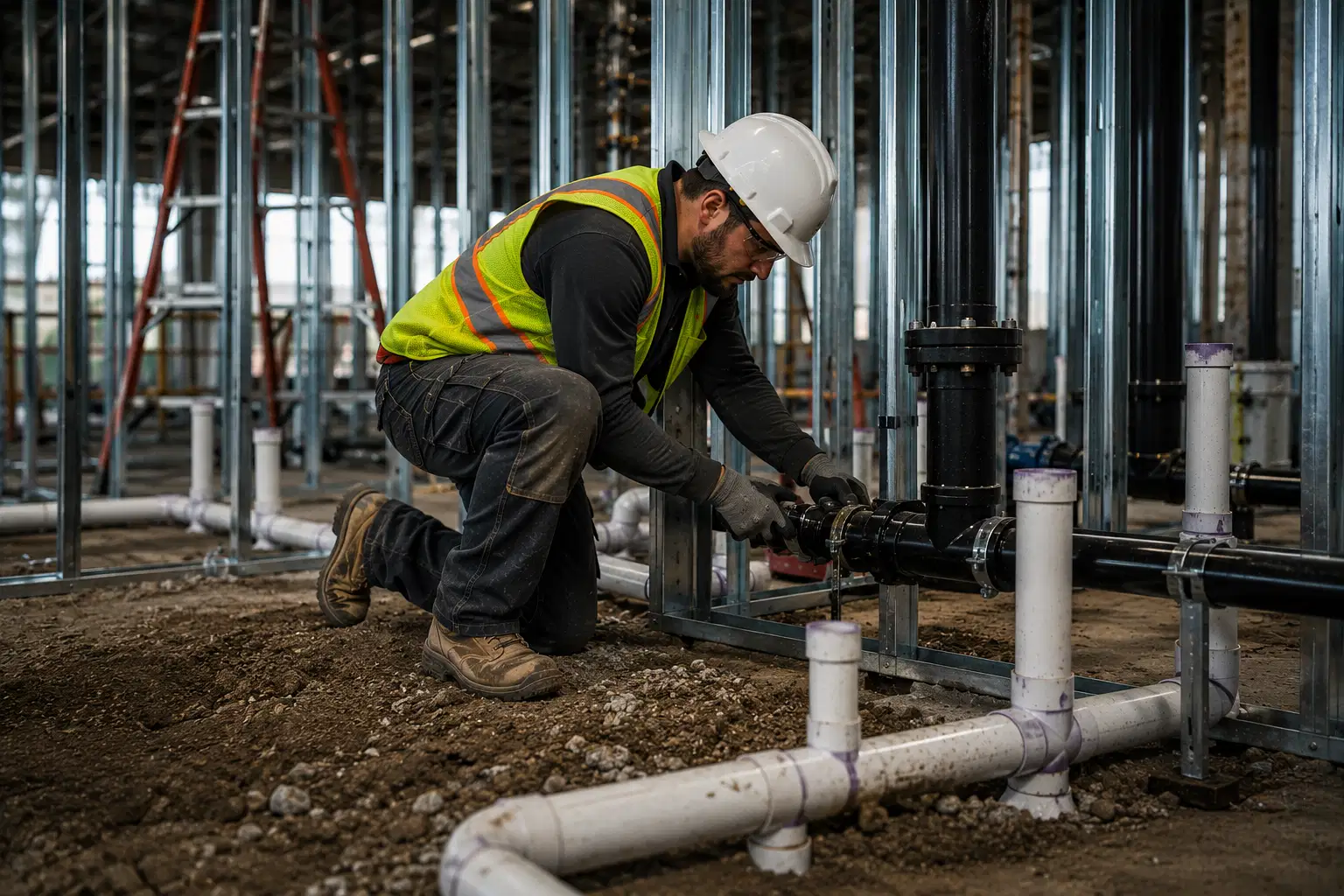
The Importance of Concrete Scanning Before Plumbing Rough-In
Before a single drill bit touches the floor, you need to know exactly what lies beneath the surface. Commercial concrete slabs are rarely just poured cement; they are complex, engineered structures filled with reinforcing steel, electrical conduits, communication lines, and sometimes heating elements.
Performing thorough concrete scanning before plumbing rough in is the only way to map out these hidden obstacles. Using advanced ground-penetrating radar (GPR) and X-ray technology, our technicians can create a precise visual map of the slab's interior. This non destructive slab inspection for pipe installations allows us to plan the exact location of our core holes, ensuring we avoid critical infrastructure.
Skipping this step to save time is a massive risk. Hitting an embedded electrical conduit can cause dangerous power outages and immediate safety hazards for the crew. By utilizing professional X-Ray & Concrete Coring services, we eliminate the guesswork, keeping your commercial renovation on schedule and fully compliant with strict Ontario Building Code (OBC) regulations.
Mitigating Risks: Avoiding Post-Tension Cables
One of the most significant hazards in modern commercial construction is the presence of post-tension cables. These high-strength steel cables are pulled incredibly tight to give the concrete slab its load-bearing strength.
Avoiding post tension cables during plumbing penetrations is absolutely paramount. If a core drill accidentally severs one of these cables, the tension is released instantly. This can cause the cable to violently whip through the concrete, potentially causing catastrophic structural failure and severe injury to anyone in the vicinity.
Because these cables are tensioned to thousands of pounds of pressure, repairing a snapped cable is incredibly expensive and highly disruptive to the building's structural integrity. Comprehensive scanning identifies the exact depth and trajectory of these cables, as well as standard rebar grids. If a proposed plumbing line intersects with a post-tension cable, our team can redesign the pipe routing or adjust the core location before any physical work begins, ensuring complete safety and structural preservation.
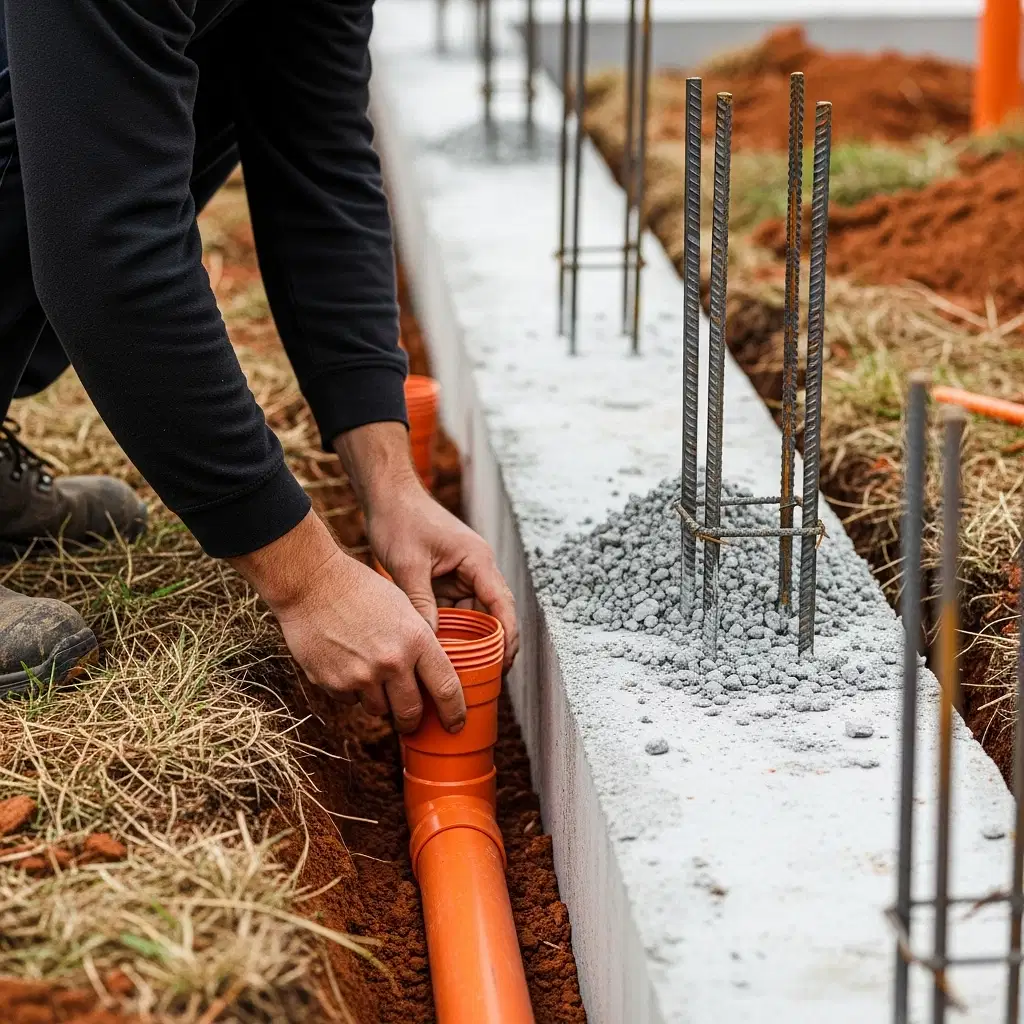
Precision Concrete Coring for Commercial Drainage Lines
Once the slab has been mapped and the area is cleared for penetration, the physical coring process begins. Concrete coring for commercial drainage lines requires specialized equipment—specifically, diamond-tipped core drills. Unlike standard hammer drills that break apart the concrete and create jagged, messy holes, core drills cut a perfectly smooth, precise cylinder out of the slab.
This precision is crucial for Commercial Plumbing installations for several reasons:
First, a clean, perfectly sized hole ensures a snug fit for the new pipe, which is essential for proper fire-stopping and waterproofing once the pipe is installed. Second, diamond core drilling is a wet process. Water is continuously fed into the drill bit to keep it cool and suppress silica dust. Silica dust is a known respiratory hazard, and suppressing it is a mandatory safety requirement on all professional job sites.
The water used during the drilling process is carefully managed and vacuumed up in real-time, preventing slurry from spreading across the commercial space or leaking into the floors below. This level of cleanliness and respect for the property is a hallmark of licensed master plumbers and separates professional outfits from unlicensed handymen.
Partnering with the Right Plumbing Experts
Integrating new mechanical systems into an existing commercial space is a highly technical process that demands rigorous training, specialized equipment, and a deep understanding of municipal building codes. Property managers and commercial developers cannot afford the liability of sub-standard work.
When you hire a licensed, insured commercial plumbing contractor, you are investing in peace of mind. You ensure that every step—from the initial structural scan to the final pipe connection—is handled safely, cleanly, and legally.
If you are planning a commercial build-out, renovation, or industrial retrofit that requires slab penetrations, trust the experts at iPLUMB Inc. We provide GTA-wide emergency service and scheduled commercial plumbing solutions, combining cutting-edge scanning technology with expert craftsmanship to keep your project moving forward safely.
Ready to discuss your next commercial project? Contact us today to schedule a consultation and learn how our comprehensive design-build and coring services can streamline your build.