
The Blueprint for Success: Selecting Commercial Water Heaters for New Construction
When you are breaking ground on a new commercial facility in the GTA, your focus is naturally pulled in a dozen different directions at once. Between coordinating contractors, managing material costs, and keeping the project on schedule, it can be easy to treat your building's plumbing infrastructure as an afterthought. However, the decisions you make during the initial planning phases regarding your hot water supply will have a lasting impact on your facility's daily operations, energy consumption, and long-term maintenance costs.
At iPLUMB Inc., we know that a reliable hot water system is the lifeblood of many businesses, from hospitality and healthcare to large-scale manufacturing. Selecting the right equipment involves far more than just picking a unit out of a catalog. It requires a deep understanding of your building's specific demands, adherence to the latest provincial building codes, and a strategic approach to energy efficiency.
In this guide, we will walk you through the critical factors to consider when choosing the right water heating systems for your new build, ensuring your property is equipped for optimal performance from day one.
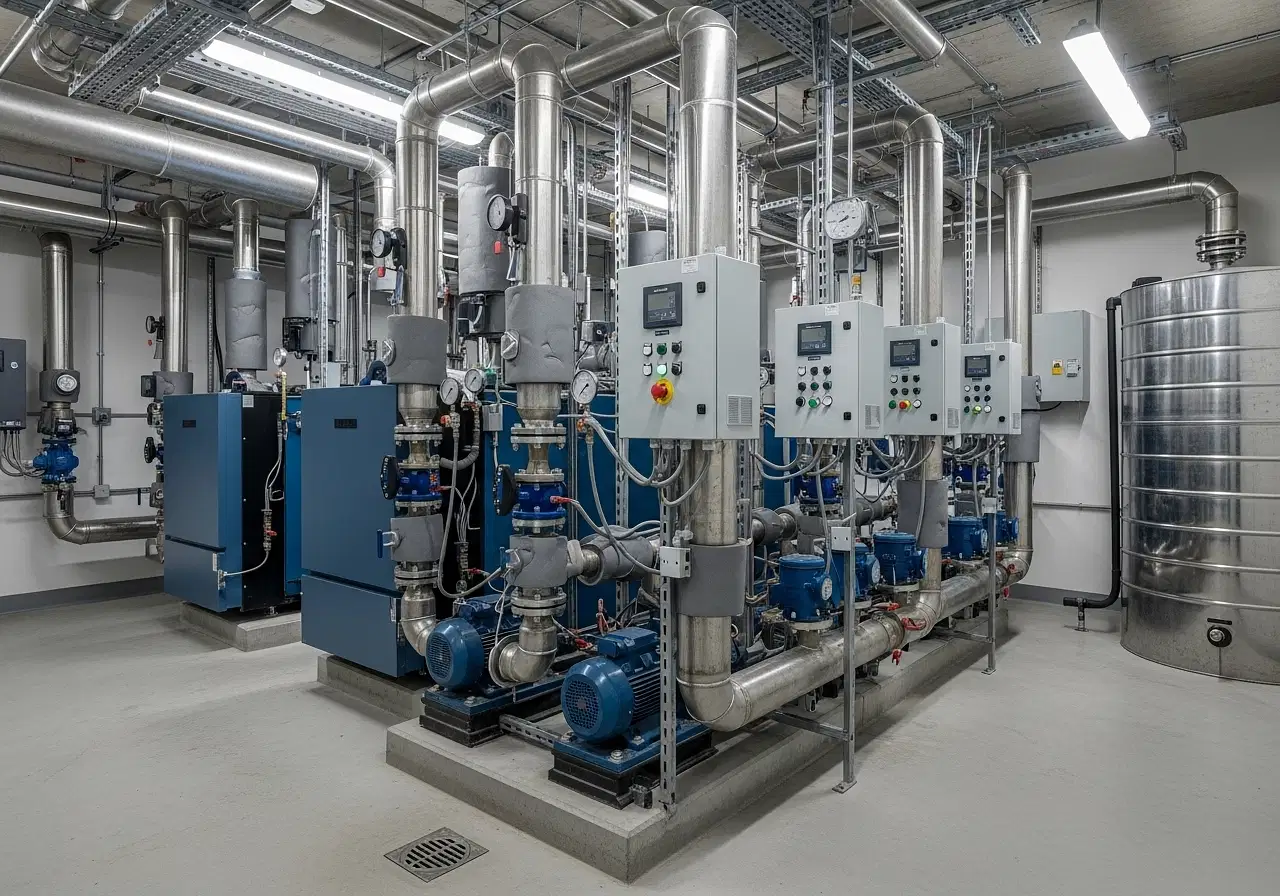
Commercial Water Heater Sizing for New Construction
One of the most common oversights in commercial development is improper equipment sizing. When it comes to commercial water heater sizing for new construction, precision is everything. An undersized system will leave your tenants or operations starved for hot water during peak usage hours, leading to operational bottlenecks and frustration. On the other hand, an oversized system results in massive inefficiencies, significantly driving up your monthly hydro bills and wasting valuable mechanical room space.
To determine the correct size, our design team calculates the expected peak demand—the maximum amount of hot water your facility will need at any given moment—and balances it against the recovery rate of the equipment. We also factor in the volatility of material costs, such as copper and PVC. By properly sizing your system during the design phase, we can optimize the amount of piping and materials required, helping you manage construction costs without sacrificing quality or capacity.
Centralized vs. Decentralized Commercial Water Heating
As you map out your facility's blueprint, you will need to decide between a centralized or decentralized water heating architecture. Both approaches have distinct advantages depending on the layout and purpose of your building.
A centralized system utilizes one large, high-capacity water heater (or a banked series of heaters) located in a primary mechanical room to supply the entire building. This is often the preferred choice for facilities with heavy, concentrated hot water demands, such as commercial kitchens or fitness centers. Centralized setups are generally easier to maintain since all the primary components are housed in a single location.
Conversely, a decentralized system—often using point-of-use tankless heaters—distributes smaller heating units closer to where the water is actually needed. If you are constructing a sprawling warehouse or a large office building where restrooms are located far from the main utility room, a decentralized approach can drastically reduce the time it takes for hot water to reach the tap. This not only improves user comfort but also conserves a significant amount of water and energy, as heat is not lost while water travels through hundreds of feet of piping.
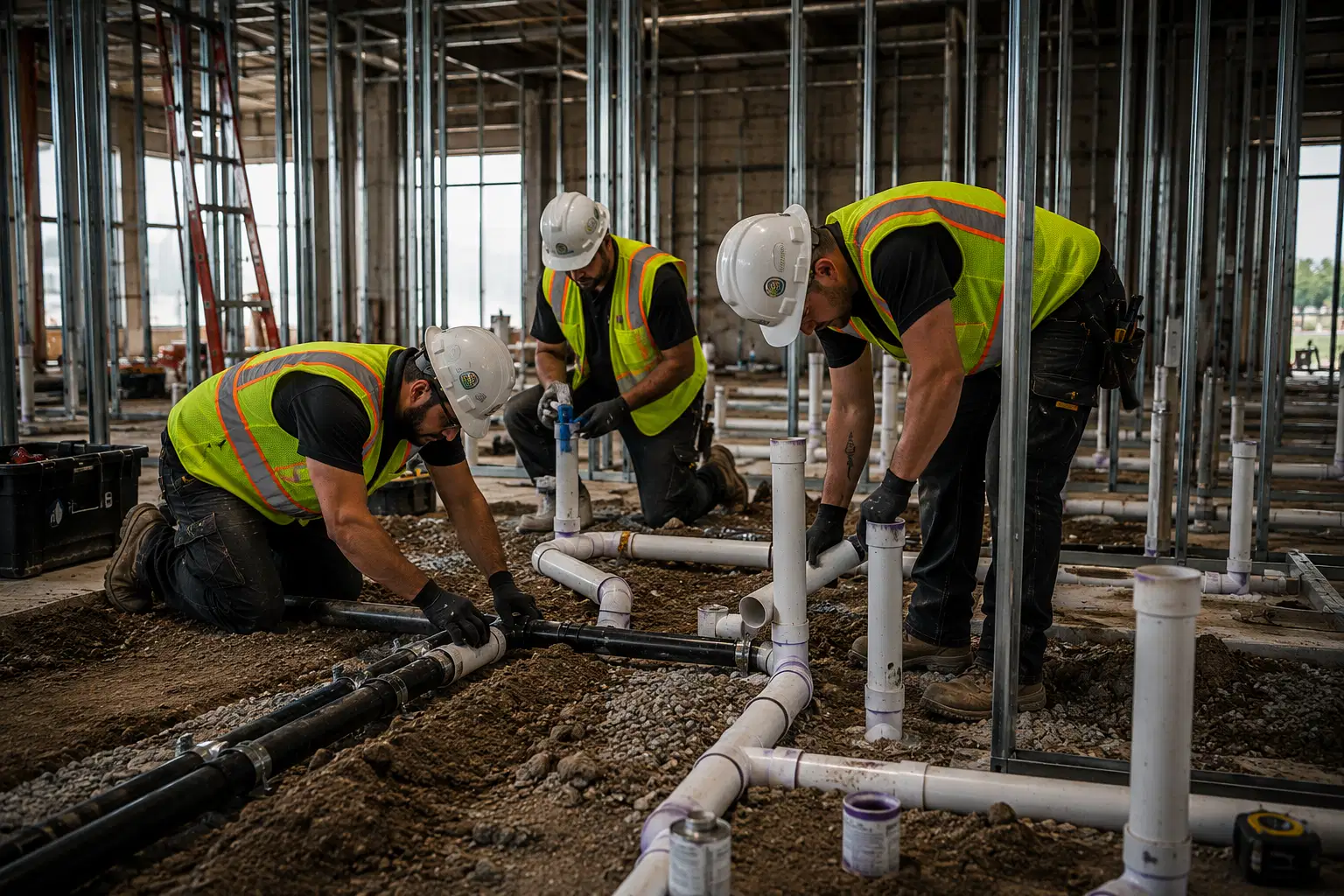
Selecting Industrial Hot Water Systems for Facilities
When dealing with heavy-duty applications, selecting industrial hot water systems for facilities requires a forward-thinking approach. Today's commercial consumers prioritize energy efficiency and smart technology. Modernizing your approach means looking beyond traditional gas-fired tanks and considering eco-friendly alternatives like hybrid heat pump water heaters. These advanced systems not only align with the stricter water conservation standards in the National Plumbing Code of Canada, but they can also qualify your project for substantial government green energy rebates.
Furthermore, integrating smart home and commercial water-monitoring technologies is no longer just a luxury; it is a vital operational safeguard. IoT-enabled leak detection systems can instantly shut off water flow if a failure is detected, preventing catastrophic water damage and potentially lowering your commercial property insurance premiums.
Whether your project calls for robust industrial plumbing solutions or specialized hot water tank services, prioritizing high-efficiency equipment with smart diagnostic capabilities ensures your building is future-proofed against rising utility costs and unexpected downtime.
The Design-Build Advantage
Navigating these complex decisions is exactly why integrating your plumbing experts early in the process is so crucial. The ongoing shortage of certified Red Seal plumbers across Canada has made it increasingly difficult for developers to find reliable tradespeople who can handle complex, large-scale installations. By partnering with a dedicated team for your commercial design-build & new construction needs, you eliminate the disconnect between the engineers drawing the plans and the technicians installing the pipes.
When we handle both the design and the installation, we can foresee logistical challenges before they become expensive change orders. We ensure that your mechanical rooms are designed with adequate space for future maintenance, that venting meets all safety regulations, and that the entire system is engineered for long-term reliability.
Building a new commercial space requires a plumbing partner who understands the unique demands of modern construction. If you are planning a new development in Vaughan or the surrounding region, we are here to help you lay a solid foundation. Reach out to iPLUMB Inc. through our contact us page to discuss your upcoming project and discover how our design-build expertise can streamline your construction process.