
Understanding Thermostatic Mixing Valve Standards in Commercial Plumbing
When managing a commercial facility or planning a new construction project in the GTA, water temperature regulation isn't just a matter of user comfort—it is a critical safety and compliance issue. If the water delivered to your building's fixtures is too hot, you risk severe scalding injuries to occupants. If it is stored at temperatures that are too low, you create an ideal breeding ground for harmful bacteria, such as Legionella.
Bridging the gap between these two dangerous extremes is the thermostatic mixing valve (TMV). These essential devices blend hot and cold water to ensure a safe, constant delivery temperature, regardless of fluctuations in the supply pressure or temperature. For facilities managers, engineers, and developers, navigating the stringent standards and provincial plumbing codes surrounding these valves can be complex.
At iPLUMB Inc., we specialize in ensuring your new builds and commercial retrofits meet every regulatory requirement while operating at peak efficiency. In this guide, we will explore the essential standards surrounding thermostatic mixing valves, how to choose the right system for your facility, and why modernizing your plumbing infrastructure is a smart investment.
Navigating Compliance and Proper Sizing
In Ontario, commercial buildings must adhere strictly to the building code and national plumbing standards to ensure public safety. These regulations mandate that water heaters store water at a minimum temperature (usually around 60°C or 140°F) to prevent bacterial growth. However, water delivered to public fixtures like sinks and showers must be significantly cooler (typically capped at 49°C or 120°F) to prevent scalding.
Achieving this delicate balance requires precision. One of the most common pitfalls in new commercial construction is improper commercial thermostatic mixing valve sizing. If a valve is undersized, it can lead to massive pressure drops and inadequate water flow during peak usage hours. Conversely, an oversized valve will struggle to accurately control temperatures during periods of low demand, leading to erratic temperature fluctuations that put end-users at risk.
Proper sizing requires a deep understanding of the building's peak demand, the fixture units being served, and the specific pressure differentials of the system. Getting this right from the blueprint stage prevents costly tear-outs and ensures a smooth inspection process. Whether you are outfitting a sprawling multi-residential complex or an industrial facility, integrating professional Commercial Plumbing expertise early in the design-build phase is crucial to a flawless mechanical system.
Point of Use vs Master Mixing Valves
When designing the water distribution system for a commercial space, engineers and plumbers must decide where the temperature mixing will actually occur. This typically boils down to a choice between point of use vs master mixing valves, and the right choice depends heavily on the footprint and function of your building.
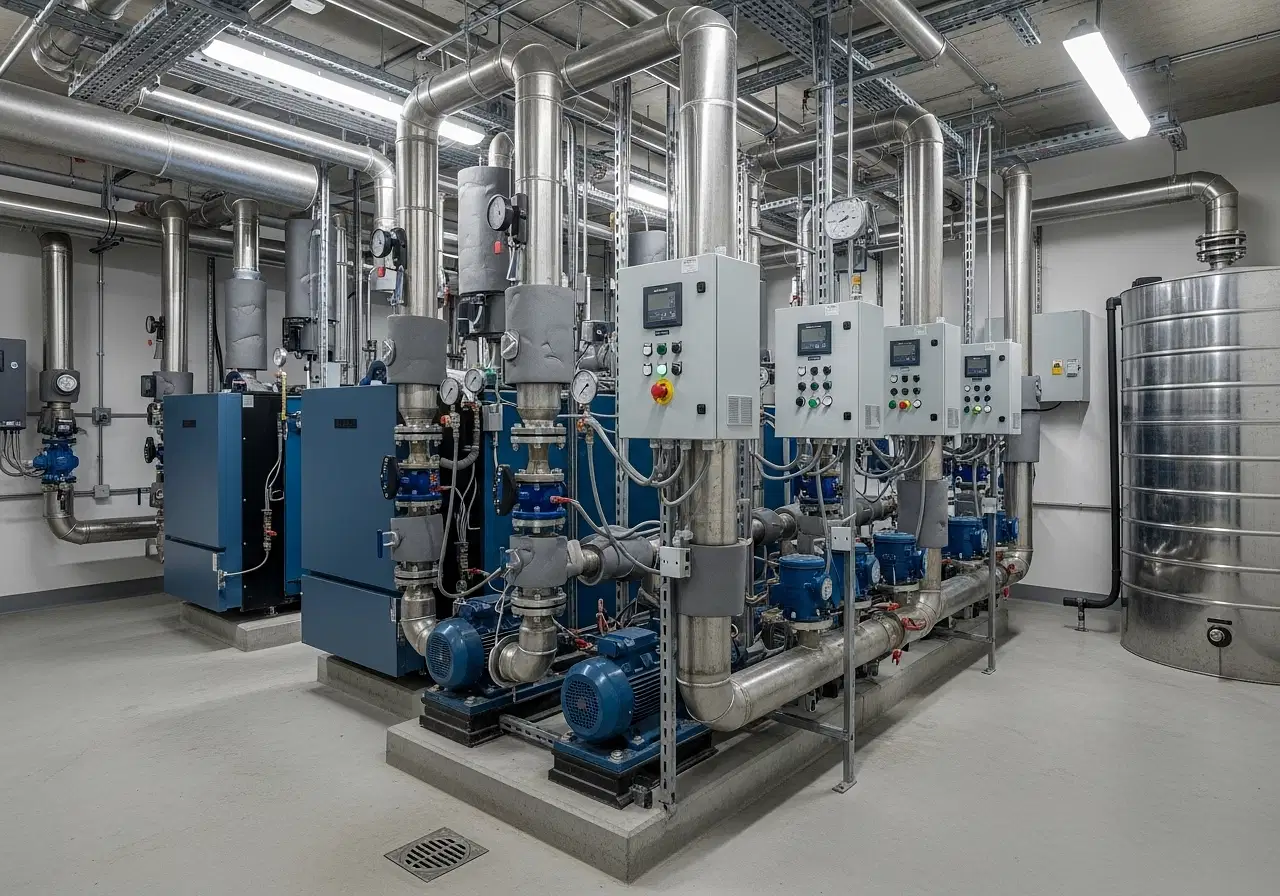
A master mixing valve (or primary mixing valve) is installed directly at the water heating source. It blends the hot and cold water before it is distributed throughout the building's piping network. This is often an efficient solution for smaller commercial facilities where the distance between the mechanical room and the fixtures is relatively short, minimizing the risk of heat loss in the pipes.
On the other hand, point of use mixing valves are installed directly at or very near the individual plumbing fixtures, such as under a public restroom sink or behind a shower wall. This approach is highly recommended—and often required—in large facilities like hospitals, care homes, and expansive office buildings. Because the water is kept at a high, bacteria-killing temperature throughout the distribution network and only mixed down at the exact moment of delivery, it provides the highest level of safety.
Determining the right configuration requires a thorough assessment of your building's usage patterns and layout. Our team regularly navigates these complexities, providing specialized Mixing Valve Services to ensure optimal system performance.

The Shift Toward Digital Mixing Technology
The commercial plumbing industry is undergoing a rapid technological transformation, and thermostatic mixing valves are no exception. While traditional mechanical valves rely on a wax or bimetallic thermostat to react to temperature changes, modern facilities are increasingly turning to electronic and smart plumbing solutions.
Digital mixing valve plumbing installation represents the pinnacle of modern water temperature control. These sophisticated systems use electronic sensors and motorized valves to monitor and adjust water temperatures with pinpoint accuracy, responding to pressure and temperature changes much faster than their mechanical counterparts.
Beyond safety, digital valves offer incredible operational benefits. They can be integrated into your building's central Building Automation System (BAS), allowing facility managers to monitor water temperatures in real-time, schedule automated thermal eradication cycles to kill bacteria, and track water consumption data. In an era where lowering hydro and utility costs is a top priority for property managers, the energy efficiency and diagnostic capabilities of digital mixing valves provide a strong return on investment. Upgrading to this technology is a seamless process when handled by experts in Mechanical Plumbing Services.
Trust iPLUMB Inc. for Your Commercial Plumbing Needs
Staying compliant with thermostatic mixing valve standards is non-negotiable, but it doesn't have to be a headache. From accurate initial sizing and choosing between master and point-of-use configurations, to integrating the latest digital control systems, partnering with a knowledgeable commercial plumbing contractor ensures your project is built to last safely and efficiently.
As a premier commercial and new construction plumbing contractor based right here in Concord, iPLUMB Inc. understands the unique regulatory and operational demands of Ontario's commercial sector. We pride ourselves on delivering robust, compliant, and forward-thinking mechanical solutions for our clients.
If you are breaking ground on a new commercial development or looking to retrofit an existing facility to meet current safety standards, we are here to help. Contact iPLUMB Inc. today to discuss your next project and ensure your building's plumbing infrastructure sets the standard for excellence.