
Your Guide to Spring Sump Pump Maintenance: Preventing Basement Flooding
The arrival of spring in Vaughan is always a welcome sight. The snow melts, the days get longer, and we can finally look forward to warmer weather. But with the spring thaw and seasonal rains comes a hidden threat to many homes: basement flooding. Your first line of defense against water damage is a small, often-forgotten device in your basement—the sump pump. A functional sump pump is the unsung hero that works tirelessly to keep your basement dry. However, a pump that fails during a downpour can lead to stressful, costly, and extensive water damage. This guide will walk you through the essential maintenance steps to ensure your sump pump is ready to handle whatever the season throws at it, giving you peace of mind.
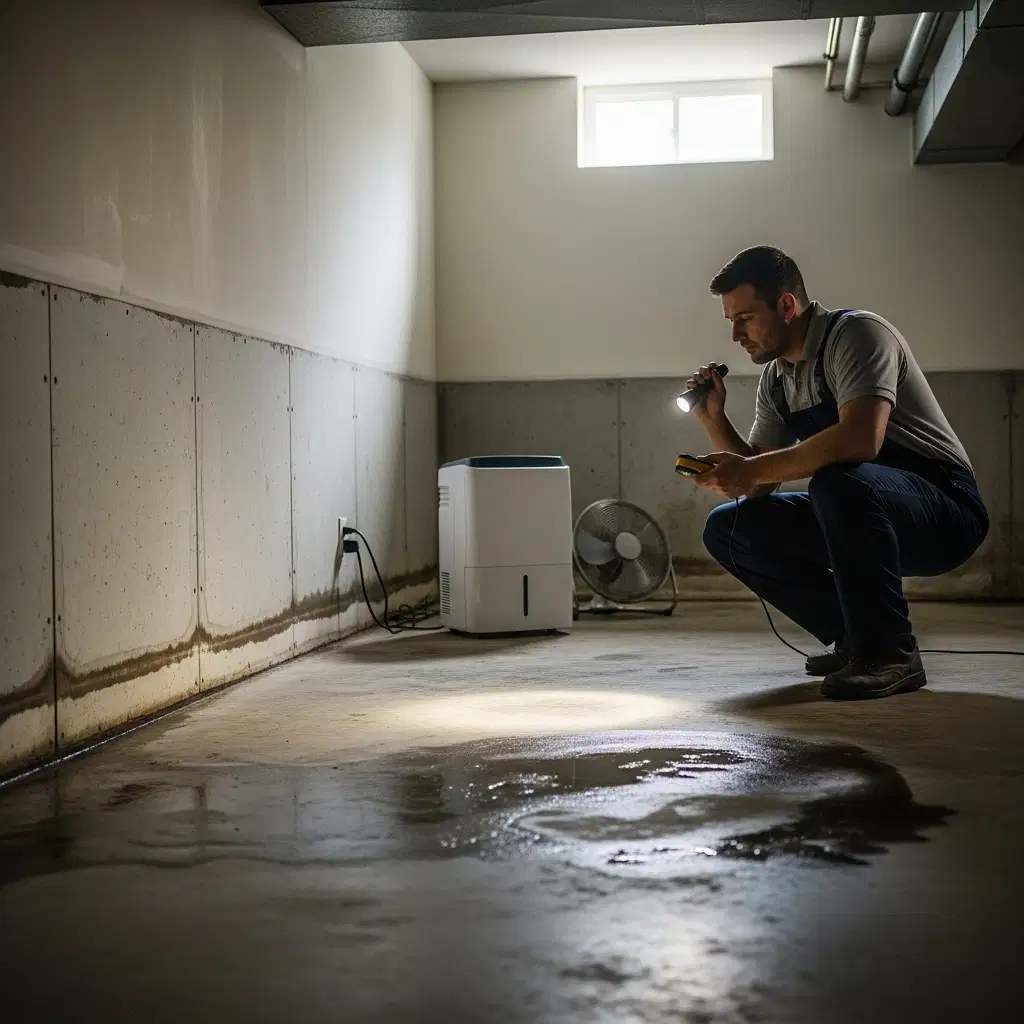
Why Sump Pump Maintenance is Crucial in the GTA
In Southern Ontario, the transition from winter to spring can be dramatic. Rapid snowmelt combined with heavy rainfall can quickly saturate the ground, raising the water table and putting immense pressure on your home's foundation. This is when your sump pump is needed most. Ignoring it until you need it is a gamble that few homeowners win.
The consequences of a failed sump pump go far beyond a puddle on the floor. A flooded basement can mean:
- Costly Repairs: Water can damage drywall, flooring, insulation, and structural components of your home.
- Loss of Valuables: Personal belongings, furniture, and electronics stored in the basement can be ruined.
- Health Hazards: Lingering moisture creates the perfect environment for mold and mildew growth, which can pose serious health risks.
- Major Inconvenience: The cleanup process is disruptive, time-consuming, and stressful for any family.
Regular maintenance is a small investment that protects your property and prevents these significant headaches. It's a core part of a reliable stormwater system designed to protect your home's value and your family's comfort.
A Simple, Step-by-Step DIY Sump Pump Test
Before the heavy spring rains begin, you can perform a simple test to check if your sump pump is in good working order. This quick inspection should only take a few minutes.
-
Visual Inspection: Start by removing the cover from the sump pit. Clear out any dirt, gravel, or debris that could clog the pump's intake or interfere with the float switch mechanism. Ensure the pump is standing upright.
-
Check the Power: Make sure the sump pump is plugged into a working ground fault circuit interrupter (GFCI) outlet. You can test the outlet by plugging in a lamp or another small device.
-
Perform the Water Test: This is the most important step. Slowly pour a bucket of water into the sump pit. The water should raise the float switch, which in turn should activate the pump. Watch to ensure the pump turns on, efficiently removes the water from the pit, and then shuts off automatically once the water level drops.
-
Inspect the Discharge Pipe: While the pump is running, go outside to where the discharge pipe expels water. Make sure the water is flowing freely and is directed at least several feet away from your home's foundation. Check the pipe opening for any blockages like leaves, animal nests, or ice.

Warning Signs That You Need a Professional
While a DIY test is a great first step, some issues require the expertise of a licensed plumber. If you notice any of the following warning signs during your inspection, it's time to call for professional help:
- Failure to Activate: The pump doesn't turn on when you pour water into the pit.
- Constant Operation: The pump runs continuously, even when there's little or no water in the pit. This can burn out the motor and indicates a problem with the switch or a check valve.
- Unusual Noises: Grinding, rattling, or excessively loud noises can signal a jammed impeller or failing motor bearings.
- Visible Rust or Corrosion: Significant rust can impede the pump's performance and may be a sign that it's nearing the end of its lifespan.
- Old Age: Sump pumps typically last about 7-10 years. If your unit is approaching this age, it's wise to consider a replacement before it fails unexpectedly.
Attempting to fix complex electrical or mechanical issues without proper training can be dangerous and may lead to bigger problems. A professional can accurately diagnose the issue and perform the necessary repairs or replacement, ensuring your home is protected. This is a key part of our expert residential plumbing services.
Beyond the Pump: Don't Forget Your Backwater Valve
For comprehensive flood protection, it's also important to check on another critical device: your backwater valve. This valve is installed on your main sewer line to prevent sewage from backing up into your home during severe storms when the municipal sewer system is overwhelmed. Like a sump pump, it needs a quick annual check. Gently lift the lid and ensure the flap inside moves freely and that the chamber is clear of debris. A stuck backwater valve won't be able to create the seal needed to protect your home.
Ensure a Dry Basement This Spring with iPLUMB Inc.
Proactive maintenance is the most effective way to ensure a dry, safe, and healthy basement. By taking a few minutes to test your sump pump and inspect your backwater valve, you can prevent a major disaster before it happens. Don't wait for the sound of water in your basement to discover a problem.
If your sump pump failed its test, is showing signs of age, or if you'd simply prefer a professional inspection for complete peace of mind, the licensed and experienced team at iPLUMB Inc. is here to help. We offer comprehensive preventative maintenance checks and expert repair and installation services for homeowners throughout the Vaughan area. Contact us today to schedule your service and ensure your home is fully protected this spring.